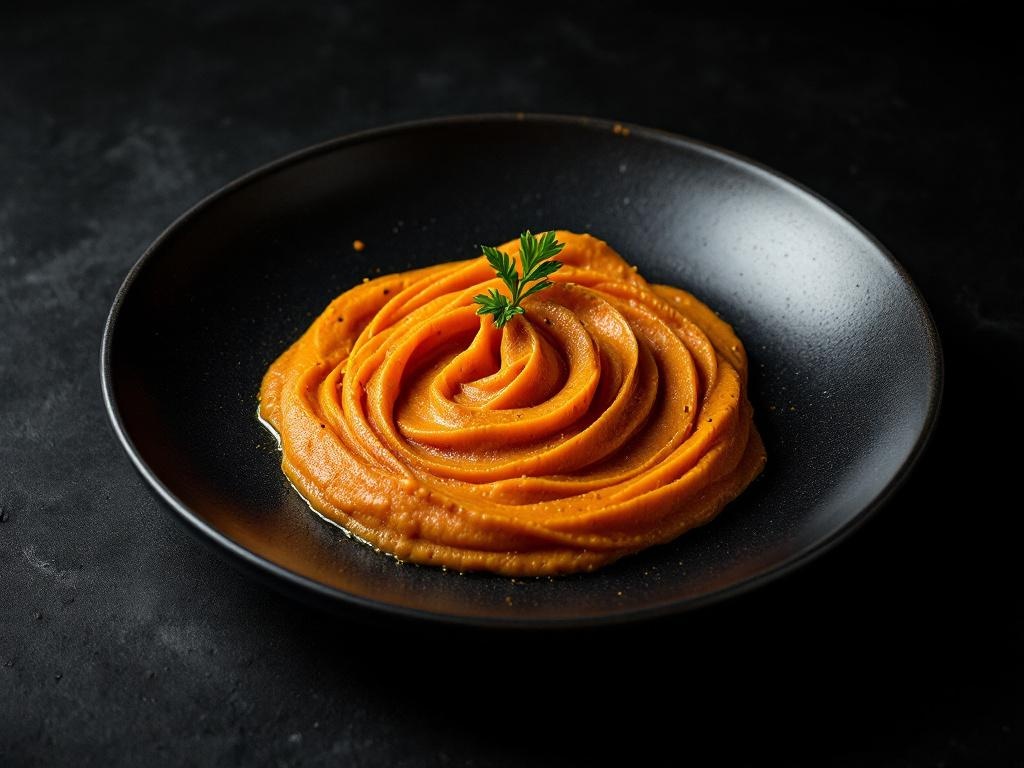
Rouille
One of 44 entries · Provenance 1000 — Pantry
Marseille, Provence, France — the essential companion to bouillabaisse
Rouille is the rust-coloured saffron and garlic emulsion served with bouillabaisse — a Provençal condiment so essential to the experience of Marseille's great fish stew that the soup cannot be said to exist without it. The name means 'rust' in French, which describes the colour accurately: a deep orange-red from saffron and piment d'Espelette or cayenne. Traditionally, rouille is made in a mortar: saffron is steeped in a spoonful of the bouillabaisse broth, then combined with garlic that has been pounded with salt, moistened bread or potato for body, and oil whisked in drop by drop until a thick emulsion forms. The result is essentially an aioli — a garlic and oil emulsion — with the addition of saffron, chilli, and a starch base that makes it thicker and more stable than aioli alone. The serving ritual is specific: rouille is spread generously on slices of grilled crouton (croûton frotté à l'ail), which are then floated on the broth. The rouille begins to dissolve into the soup as you eat it, seasoning each spoonful with saffron, garlic, and the richness of the emulsion. Some guests stir additional rouille directly into the broth at the table. Rouille should be thick enough to mound on a crouton without running off. Its heat should be warm rather than fierce. Its saffron colour should be vivid and its garlic presence unmistakable but not raw-tasting — the bread or potato moderates the garlic sharpness.
Saffron-golden, garlic-rich, warmly spiced — thick, emulsified, intensely aromatic
Steep the saffron in warm broth (not boiling water) — this extracts maximum colour and flavour without cooking the fragile compounds Pound the garlic with salt to a smooth paste before adding any liquid or oil Add oil drop by drop at the beginning of emulsification — too much too fast breaks the emulsion Use bread or boiled potato as the stabiliser — this allows a higher oil-to-garlic ratio without breaking The final consistency should be thicker than mayonnaise
Adding oil too quickly — the emulsion breaks if oil outpaces the garlic's emulsifying capacity Not steeping the saffron long enough — pale or flavourless rouille indicates insufficient extraction Using too much chilli — rouille should have warmth, not burning heat Making rouille in a blender — the mortar produces a more stable emulsion for this preparation Serving it before the bouillabaisse arrives — rouille deteriorates faster than aioli and should be made close to service
Kitchen membership opens the full Library.
visual: The emulsion turns from separated oil and paste to a thick, unified rust-red mass that coats the back of…
Oil added too fast breaks the emulsion; saffron steeped too briefly yields pale, flavourless rouille — both wreck the dish.
- 150 ml extra virgin olive oil
- 4 garlic cloves, minced
- 2 threads saffron, bloomed in 15 ml warm water
9 ingredients · 12 steps
Common Questions
Why does Rouille taste the way it does?
Saffron-golden, garlic-rich, warmly spiced — thick, emulsified, intensely aromatic
What are common mistakes when making Rouille?
Adding oil too quickly — the emulsion breaks if oil outpaces the garlic's emulsifying capacity Not steeping the saffron long enough — pale or flavourless rouille indicates insufficient extraction Using too much chilli — rouille should have warmth, not burning heat Making rouille in a blender — the mortar produces a more stable emulsion for this preparation Serving it before the bouillabaisse arrives — rouille deteriorates faster than aioli and should be made close to service