Beurre Blanc (Emulsified Butter Sauce — Reduction Base)
A Loire Valley preparation, traditionally associated with the Nantes region of France. First documented in the late 19th century. Some accounts attribute it to a cook named Clémence Lefeuvre who accidentally omitted eggs from a béarnaise.
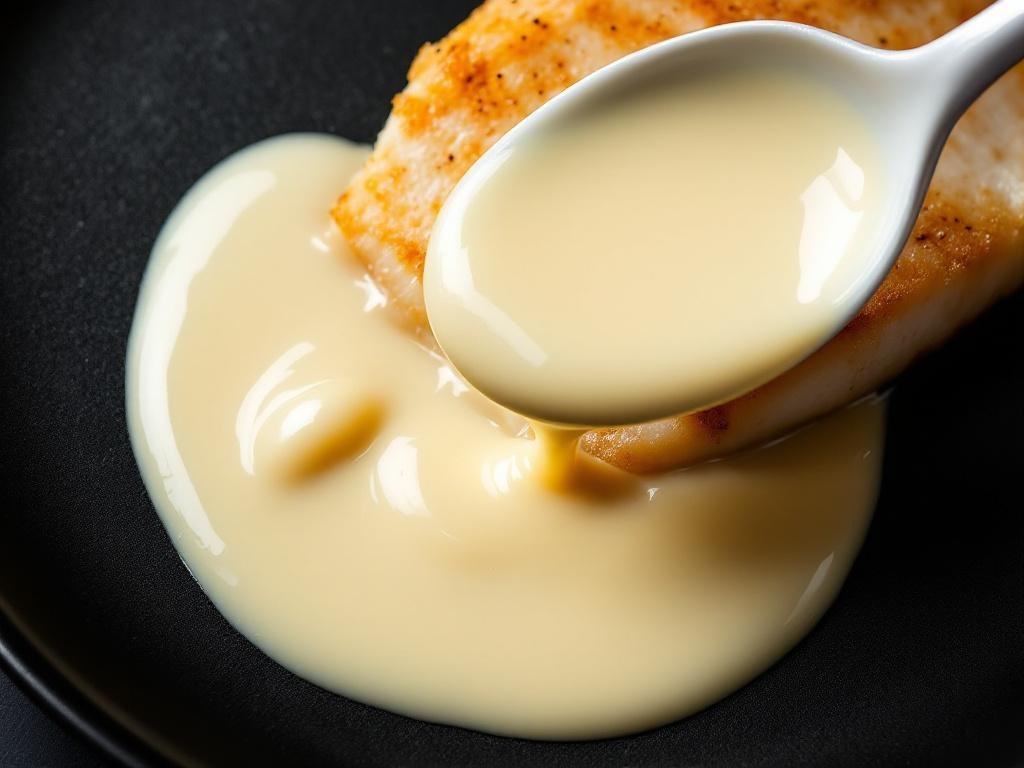
Beurre blanc — 'white butter' — is one of the greatest achievements of French sauce-making: a warm emulsified butter sauce with no egg yolk, held together entirely by the lecithin in the butter itself and the technique of adding cold butter gradually to a hot, acidic reduction. It is simultaneously simple in composition and technically demanding in execution, which is why it divides professional kitchens between those who can make it reliably and those who cannot. The reduction is the backbone: dry white wine and white wine vinegar are combined with finely chopped shallots and reduced until almost dry — just a tablespoon or two of highly concentrated liquid remaining. This reduction must be sharp and deeply flavoured because the butter will dilute its intensity. Cold unsalted butter, cut into cubes, is then whisked in piece by piece over low heat. The emulsion forms as the fat globules in the butter are dispersed throughout the acidic liquid, held in suspension by the natural lecithin. Temperature is everything: too hot and the butter separates into greasy puddles; too cold and the emulsion won't form. The ideal working temperature is 60–65°C — warm to the touch, not simmering. Adding cold butter pieces directly from the refrigerator helps maintain this temperature. The finished sauce should be pale, creamy, and just liquid enough to pour — it should fall from the spoon in ribbons, not drops. Beurre blanc is classically served with fish and seafood — its acidity and butter richness are a natural pairing — but it is also stunning with roasted vegetables, white asparagus, and poached chicken. Variations include beurre rouge (red wine reduction) and herb beurre blanc (with chervil, tarragon, or chives finished at the end). Cream added to the reduction before the butter provides extra stability for a less technically precise result.
Silky, acidic, intensely buttery — a warm cream-free sauce of extraordinary delicacy that elevates fish and vegetables
Reduce the wine and vinegar with shallots to almost nothing — this concentrated base carries the entire sauce Add cold butter in small pieces, working piece by piece to maintain the emulsion Work at 60–65°C — never let the sauce boil once the butter goes in Whole cold unsalted butter is essential — the water and lecithin in whole butter form the emulsion Strain out the shallots for a refined sauce, or leave them for a more rustic beurre blanc nantais
RECIPE: Yield: 300 ml | Prep: 10 min | Total: 15 min --- 100 ml dry white wine (Muscadet or Sauvignon Blanc preferred) 30 ml white wine vinegar or Champagne vinegar 2 shallots, finely minced 1 thyme sprig 200 g cold unsalted butter, cut into 20 g cubes Salt and white pepper to taste Optional: 5 ml fresh lemon juice --- 1. Combine white wine, vinegar, shallots, and thyme in a heavy-bottomed saucepan over medium-high heat. 2. Reduce until approximately 30 ml of liquid remains and the shallots are just visible at the bottom (6–8 minutes); the reduction should be glossy and syrupy. 3. Remove from heat, discard thyme, and let cool to 50°C for 1 minute. 4. Return to very low heat and whisk in cold butter cube by cube, adding each piece only after the previous one is half-incorporated; never allow the sauce to exceed 55°C or the emulsion will break. 5. Once all butter is incorporated, pass through a fine-mesh sieve into a clean, warm pot. 6. Season with salt, white pepper, and lemon juice if desired. 7. Hold in a warm water bath at 43–50°C; stir gently every 2 minutes and never allow temperature to exceed 55°C. A tablespoon of cream added to the reduction before the butter provides extra insurance against breaking For a more stable version for service, strain and keep warm in a thermos held at 60°C Beurre rouge uses a red wine reduction — pairs beautifully with red meat, a counterintuitive but brilliant combination A touch of lemon juice at the finish brightens and stabilises the emulsion Broken beurre blanc can often be saved by blending with a stick blender and a knob of cold butter
Overheating once the butter is added — causes irreversible separation Using warm or softened butter — breaks the emulsion before it forms Reducing too little — underpowered reduction produces a bland, greasy result Adding butter too quickly — dumps too much fat at once and breaks the emulsion Using salted butter — contributes unpredictable seasoning and slightly different emulsification
Common Questions
Why does Beurre Blanc (Emulsified Butter Sauce — Reduction Base) taste the way it does?
Silky, acidic, intensely buttery — a warm cream-free sauce of extraordinary delicacy that elevates fish and vegetables
What are common mistakes when making Beurre Blanc (Emulsified Butter Sauce — Reduction Base)?
Overheating once the butter is added — causes irreversible separation Using warm or softened butter — breaks the emulsion before it forms Reducing too little — underpowered reduction produces a bland, greasy result Adding butter too quickly — dumps too much fat at once and breaks the emulsion Using salted butter — contributes unpredictable seasoning and slightly different emulsification