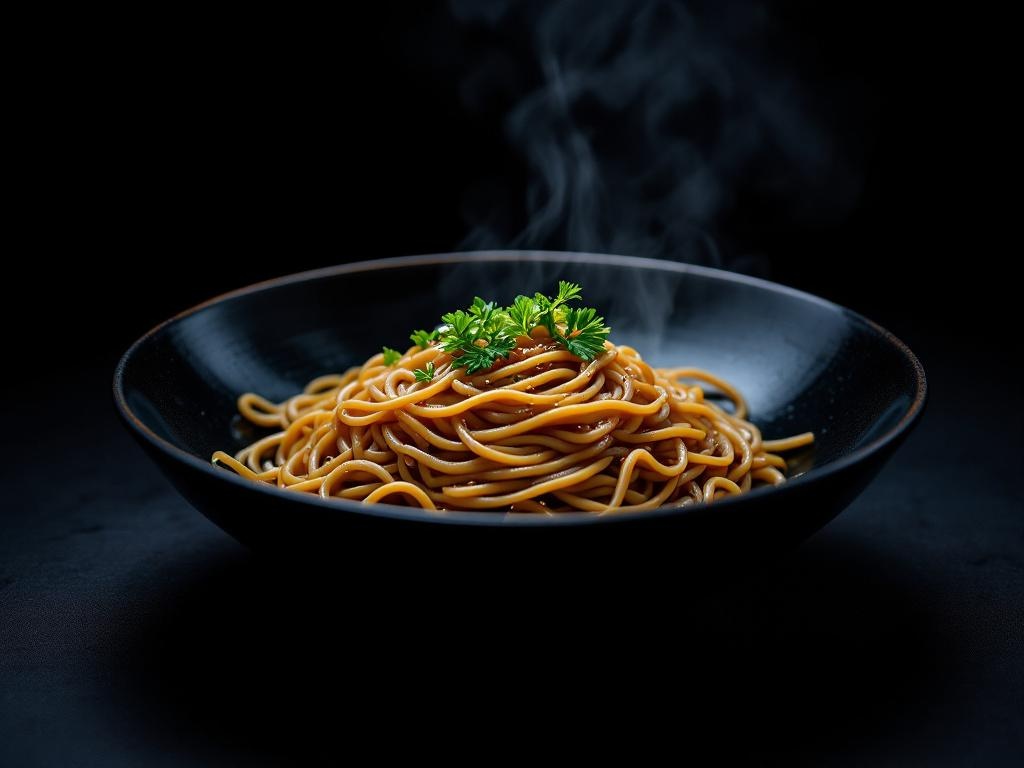
Soba Noodles (100% Buckwheat — Naturally Gluten-Free)
Japan; soba cultivation introduced from China c. 8th century CE; juwari soba (100% buckwheat) is the oldest form and the specialty of regions like Nagano and Yamagata prefectures.
Buckwheat soba — 100% buckwheat noodles, as opposed to the more common 80:20 buckwheat-wheat blend — is the only form of soba that is naturally gluten-free. These juwari soba (ten-ten: fully buckwheat) noodles are considerably more difficult to make than the blended version, because buckwheat has no gluten to bind the dough; only water and technique hold the noodles together. This requires skilled, practiced rolling and cutting. Made by a craftsman, juwari soba has an earthy, deeply nutty flavour and a delicate, slightly fragile texture that is unique and extraordinary. For most home applications, sourcing from a specialist soba maker who produces juwari soba, then preparing the soba correctly (briefly cooked, rinsed in cold water, served with a dipping tsuyu), is the more practical approach. Served cold (zaru soba) with nori, spring onion, and wasabi alongside the tsuyu is the clearest expression.
100% buckwheat (juwari) only for genuinely GF soba — check the packaging; most soba contains wheat Cook briefly: 2–3 minutes in plenty of boiling water — buckwheat noodles cook faster than wheat noodles Rinse immediately and vigorously in cold water — this stops the cooking and removes surface starch that would make the noodles sticky and clumpy Tsuyu must be made from scratch or from a high-quality commercial base — dashi (kombu-only for vegan/GF), mirin, and soy sauce (tamari for strict GF); the ratio is typically 1:3:10 soy:mirin:dashi Serve the noodles cold on a bamboo seiro with the tsuyu in a separate cup for dipping Eat immediately — soba deteriorates quickly; eat within minutes of preparation
RECIPE: Serves: 2 | Prep: 10 min | Total: 20 min --- 2 litres water 10g sea salt 200g 100% buckwheat soba noodles (kneaded without wheat binder) 15ml dashi stock (kombu and bonito) 15ml tamari (wheat-free soy sauce) 10ml mirin 5g wasabi root — freshly grated 4 sheets nori — cut into strips 20g daikon radish — finely julienned 2 spring onions — bias cut 10g toasted sesame seeds 5ml toasted sesame oil --- 1. Bring 2 litres water with 10g salt to rolling boil in large pot. 2. Add 100% buckwheat soba noodles; stir immediately to separate; cook uncovered for 3 minutes until just tender (do not overcook). 3. Pour noodles into sieve and rinse under cold running water 30 seconds, stirring gently to remove starch; drain thoroughly. 4. Combine dashi, tamari, and mirin in small saucepan; warm gently over low heat for 2 minutes (do not boil). 5. Divide noodles into 2 serving bowls; ladle 150ml warm dipping sauce into each small accompanying bowl. 6. Arrange daikon, spring onion, nori strips, and small dollop wasabi around bowls; drizzle noodles with sesame oil and sprinkle sesame seeds; serve with dipping sauce on the side for dipping. The soba-yu (the warm water in which soba was cooked) is traditionally served at the end of the meal — add it to the remaining tsuyu to produce a warm, savoury drink; this is one of Japanese cuisine's most elegant endings For warm soba (kake soba): return the rinsed noodles briefly to hot water or hot tsuyu broth — they reheat in 30 seconds The wasabi is dissolved in the tsuyu by the diner, not placed on the noodles — this allows control over heat level
Not verifying GF status — most soba is not 100% buckwheat; read the label Over-cooking — buckwheat noodles become mushy very quickly; taste from 90 seconds Not rinsing thoroughly — surface starch makes soba sticky and unpleasant Weak tsuyu — the dipping sauce should be assertive; a pale, bland tsuyu produces a flat experience Holding the noodles before service — soba must be served immediately after rinsing; it deteriorates within minutes
Common Questions
What are common mistakes when making Soba Noodles (100% Buckwheat — Naturally Gluten-Free)?
Not verifying GF status — most soba is not 100% buckwheat; read the label Over-cooking — buckwheat noodles become mushy very quickly; taste from 90 seconds Not rinsing thoroughly — surface starch makes soba sticky and unpleasant Weak tsuyu — the dipping sauce should be assertive; a pale, bland tsuyu produces a flat experience Holding the noodles before service — soba must be served immediately aft