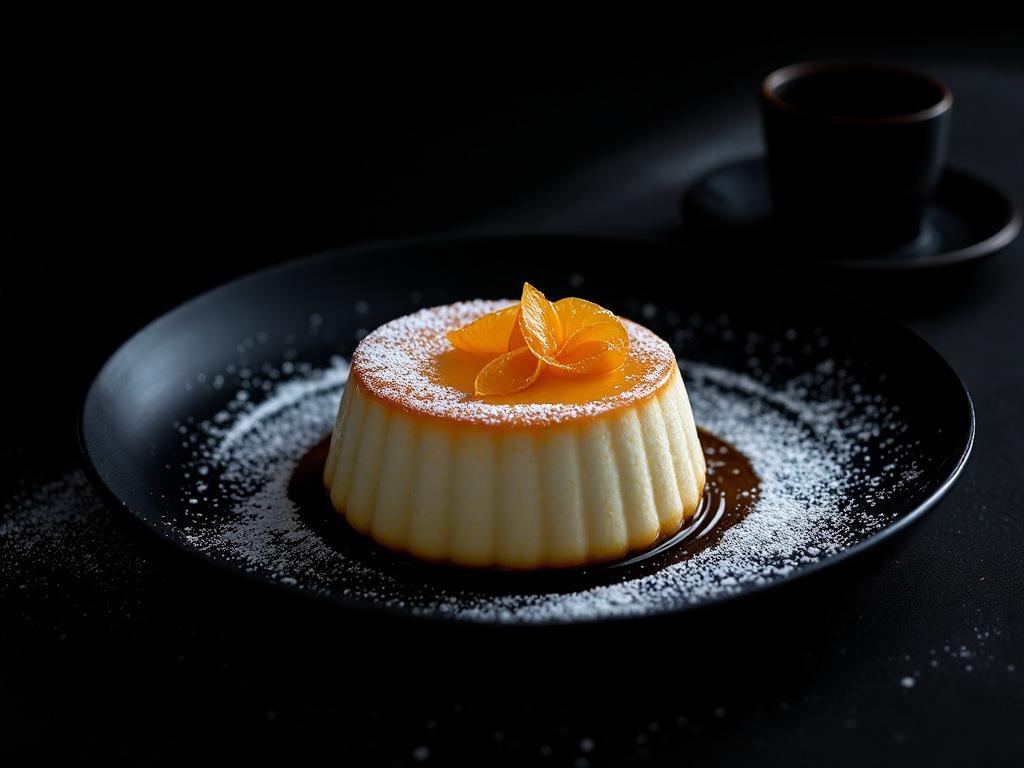
Japanese Jiggly Cheesecake (Soufflé Method and Water Bath)
Japan — bakery tradition from 1990s; popularised internationally by Uncle Tetsu's chain; viral via social media 2015–2018
Japanese jiggly cheesecake — known in Japan as soufflé cheesecake or cotton cheesecake — has been a staple of Japanese bakeries and patisseries since at least the 1990s, popularised by chains such as Uncle Tetsu's. Its viral moment came in the mid-2010s when videos showing dramatically jiggling cheesecakes fresh from the oven spread across social media, and the format gained further momentum as Japanese bakery chains expanded internationally. The technique combines elements of a classic cheesecake with a Japanese-style meringue cake: the base is a cream cheese, butter, milk, egg yolk, and flour mixture into which separately whipped egg whites are folded. The egg whites must be whipped to medium-stiff peaks — not stiff — because over-whipped whites create a dry, crumbly texture rather than the characteristic cottony softness. The folding must be done in three additions, very gently, to preserve maximum aeration. The water bath is non-negotiable. The cake is baked inside a larger pan filled with hot water to 2–3cm depth. This creates a humid oven environment that prevents the surface from cracking and allows the delicate soufflé-like structure to set evenly without overcooking the exterior. The baking temperature is deliberately low — 160°C — and the total baking time is long, often 60–70 minutes, followed by 30 minutes in the oven with the door slightly ajar to prevent collapse from thermal shock. The signature jiggle results from a custard-like set that is softer than a conventional cheesecake. The cake is done when the surface is golden and the centre moves as one cohesive mass when the pan is gently shaken — not as a liquid but as a set gel. Overbaking produces a dry, springy texture that loses the cottony quality entirely.
Mild cream cheese sweetness, airy cottony texture, light vanilla, barely-set custard quality
Whip egg whites to medium-stiff peaks only — over-whipped whites produce a crumbly texture Fold whites into the batter in three gentle additions to preserve the soufflé-like aeration Bake in a water bath at 160°C — the humid environment is essential for even setting and crack prevention After baking, rest in the oven with the door ajar for 30 minutes to prevent collapse from thermal shock The jiggle test — the cake should move as one cohesive set gel, not as liquid
RECIPE: Serves: 8 | Prep: 25 min | Total: 90 min (including cooling) --- For the cheesecake: 200 g cream cheese — Philadelphia or equivalent, room temperature 100 g unsalted butter — room temperature 100 g caster sugar 5 egg yolks — room temperature, separated 5 egg whites — room temperature, separated 50 g cake flour — or Japanese castella flour, sifted 30 ml whole milk — room temperature 10 ml lemon juice — fresh 5 ml vanilla extract — pure 1 pinch sea salt --- For the water bath and baking: 2 liters water — boiling --- 1. Preheat oven to 160°C (320°F); line a 20 cm round springform pan with parchment paper on the base and sides, ensuring a 5 cm overhang; place the pan on a baking sheet lined with additional parchment. 2. In a large mixing bowl, cream together room-temperature cream cheese and unsalted butter using an electric mixer on medium speed for 3–4 minutes until light and fluffy; gradually add 60 g caster sugar while continuing to beat until fully incorporated. 3. Add egg yolks one at a time, beating on low speed for 20 seconds after each addition to avoid overdeveloping gluten; fold in sifted cake flour, milk, lemon juice, vanilla extract, and sea salt with a rubber spatula until just combined and smooth. 4. In a separate, very clean bowl, whip the 5 egg whites with an electric mixer on medium-high speed until foamy; gradually add remaining 40 g caster sugar while continuing to whip until stiff, glossy peaks form — about 4–5 minutes; the whites should be thick and hold their shape completely. 5. Fold one-third of the whipped egg whites into the cream cheese base using a rubber spatula with a gentle folding motion (not stirring), turning the bowl as you work; fold in the remaining two-thirds in two additions until no white streaks remain and the batter is light and airy. 6. Pour the batter into the prepared springform pan, smoothing the top gently with an offset spatula; wrap the outside of the pan tightly with aluminum foil, covering the base and sides completely to prevent water from seeping in. 7. Place the wrapped pan in a larger roasting pan; pour boiling water into the roasting pan until it reaches halfway up the sides of the springform pan; transfer carefully to the preheated oven and bake for 45–50 minutes until the top is set but the center still jiggles slightly when gently shaken — the interior should remain creamy and trembling. 8. Turn off the oven, crack the door open 10 cm, and allow the cheesecake to cool in the oven for 20 minutes; remove from the water bath and cool completely on a wire rack for 30 minutes before chilling in the refrigerator for at least 4 hours or overnight; unmold by running a thin knife around the edge and releasing the springform, then serve chilled. Run a small palette knife around the inside of the pan before removing to release it cleanly without tearing For the most pronounced jiggle, reduce the flour slightly — even 1–2g less per portion softens the set A lemon zest addition to the cream cheese base brightens the otherwise mild flavour profile Use a cake tin lined with parchment on the base and sides, greased — the cake needs to release fully For presentation, dust with icing sugar just before serving and never refrigerate before the first service — cold kills the jiggle
Whipping egg whites to stiff peaks, which creates a dry crumbly texture after baking Skipping the water bath — the surface cracks and the texture becomes rubbery and uneven Removing from the oven directly after baking — thermal shock causes the soufflé structure to collapse Under-folding the whites so streaks of unincorporated egg white remain in the batter Baking at too high a temperature — the exterior overcooks before the centre has set
Common Questions
Why does Japanese Jiggly Cheesecake (Soufflé Method and Water Bath) taste the way it does?
Mild cream cheese sweetness, airy cottony texture, light vanilla, barely-set custard quality
What are common mistakes when making Japanese Jiggly Cheesecake (Soufflé Method and Water Bath)?
Whipping egg whites to stiff peaks, which creates a dry crumbly texture after baking Skipping the water bath — the surface cracks and the texture becomes rubbery and uneven Removing from the oven directly after baking — thermal shock causes the soufflé structure to collapse Under-folding the whites so streaks of unincorporated egg white remain in the batter Baking at too high a temperature — the e